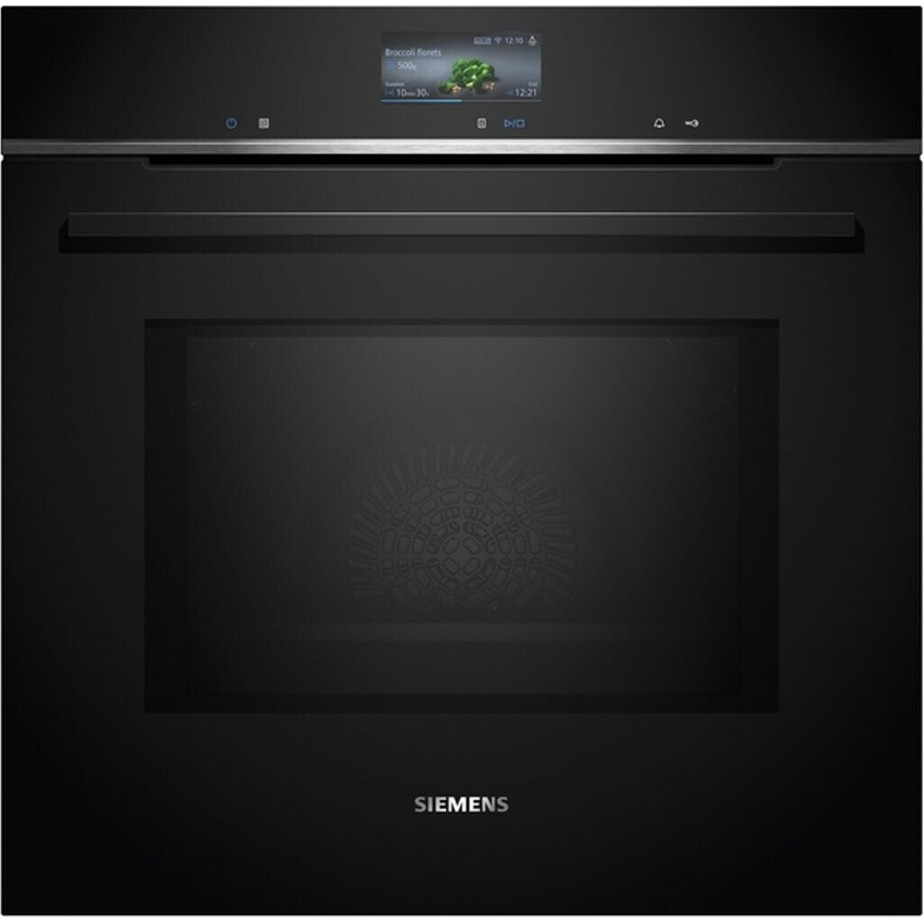
Pyrolysis Oven Comparison: A Comprehensive Guide
Pyrolysis is a thermal decay process utilized to convert natural materials into biochar, bio-oil, and synthetic gas. Backofen Mit Pyrolyse Vergleich needs a specific piece of equipment called a pyrolysis oven, which heats biomass in the absence of oxygen, allowing for the breakdown of materials without combustion. The market uses a range of pyrolysis ovens fit for various applications, varying from small laboratory devices to large industrial machines. This post will supply an in-depth comparison of different kinds of pyrolysis ovens, their requirements, applications, and advantages, along with a frequently asked concerns section.
Understanding Pyrolysis Ovens
Before delving into contrasts, it is essential to comprehend the various kinds of pyrolysis ovens available. These ovens can be categorized based upon:
- Size (laboratory-scale vs. industrial-scale)
- Heating Method (electrical vs. direct fire)
- Material (steel vs. ceramic refractory)
Key Features and Specifications
When assessing pyrolysis ovens, some critical specs to think about consist of:
- Capacity: The amount of biomass it can process in a single batch.
- Operating Temperature: The maximum temperature at which the oven can run.
- Energy Consumption: How much energy the oven uses during the pyrolysis process.
- Cooling System: The mechanisms in place to cool off the oven post-operation.
Comparison Table of Popular Pyrolysis Ovens
The table below summarizes 3 widely utilized pyrolysis ovens in regards to their specs, applications, and benefits:
| Feature | Design A | Design B | Design C |
|---|---|---|---|
| Type | Batch | Continuous | Small Lab |
| Capacity | 500 kg/batch | 1000 kg/hour | 50 kg/batch |
| Operating Temp | 400 ° C | 600 ° C | 300 ° C |
| Energy Consumption | 20 kWh | 50 kWh | 5 kWh |
| Cooling System | Water-cooled | Air-cooled | None |
| Application | Charcoal production | Industrial waste | Research study experiments |
| Benefits | High effectiveness | High throughput | Compact style |
1. Design A Pyrolysis Oven
Description: Model A is a batch-type pyrolysis oven suggested for small to medium-scale charcoal production. It runs at an optimum temperature level of 400 ° C and boasts an energy usage of 20 kWh per batch.
Applications: Mainly utilized in the production of charcoal from biomass feedstocks like wood chips, farming residues, and other organic materials.
Advantages:
- High carbon capture effectiveness
- Low functional expenses
- Basic batch processing
2. Design B Pyrolysis Oven
Description: Model B is a continuous-flow pyrolysis oven designed for industrial-scale processing with a capacity of 1000 kg per hour. It can reach higher operating temperatures of up to 600 ° C, making it appropriate for a broader variety of feedstocks.
Applications: Often utilized for waste-to-energy projects, recycling rubber, and processing farming waste.
Advantages:
- Higher throughput compared to batch ovens
- Perfect for continuous feedstock supply
- Better conversion rates for different products
3. Model C Pyrolysis Oven
Description: Model C is a compact, small-scale lab oven suited for research and experimental functions, with a lower capacity of 50 kg per batch. It operates up to 300 ° C and utilizes just 5 kWh of energy.
Applications: Used primarily in labs for research and advancement in pyrolysis procedures.
Benefits:
- Space-efficient style
- Lower energy requirement
- Perfect for evaluating various feedstocks
Key Considerations When Choosing a Pyrolysis Oven
Choosing the right pyrolysis oven depends on numerous factors. Here's a list of considerations:
- Scale of Operation: Determine the volume of biomass you plan to process regularly.
- Feedstock Type: Different materials might require various operating temperature levels and processing methods.
- Budget plan: Consider preliminary investment costs and operational expenses.
- Final Product Requirements: Define what you intend to produce-- whether it's biochar, bio-oil, or syngas.
- Space Available: Ensure you have appropriate space for setup and future expansions.
- Regulative Compliance: Confirm that the pyrolysis oven meets local environmental guidelines and standards.
Often Asked Questions (FAQ)
Q1: What are the environmental impacts of utilizing a pyrolysis oven?
Pyrolysis ovens can minimize biomass waste, lower greenhouse gas emissions, and produce valuable final product. Nevertheless, correct operation and maintenance are important to decrease any prospective air and water pollution.
Q2: How is biomass prepared before pyrolysis?
Biomass ought to be dried and shredded into uniform pieces to boost the effectiveness of the pyrolysis process. The moisture content should preferably be listed below 20%.
Q3: Can I use numerous feedstock types in a single pyrolysis oven?
Yes, lots of pyrolysis ovens can deal with a variety of feedstocks; however, screening each type independently is advisable to determine ideal conditions and output quality.
Q4: How long does the pyrolysis process take?
The procedure can differ considerably depending on the oven type and specifications set. Normally, batch pyrolysis can take anywhere from a few hours to over 12 hours.
Q5: Is upkeep required for pyrolysis ovens?
Yes, regular maintenance is vital for optimal performance. This includes clearing out residues and checking for wear and tear on parts.
In conclusion, picking the right pyrolysis oven requires cautious factor to consider of particular requirements, applications, and desired results. With numerous designs available, users can process biomass effectively while adding to sustainability efforts. Understanding the key specs, functions, and the benefits of different types of pyrolysis ovens is vital in making notified choices, whether for small laboratory experiments or massive industrial operations.